The 7 Chakras
- by RumboMistico
- Published on
What chakras are and how to activate them to balance your energy
The 7 chakras are energy centers that, according to Eastern tradition, regulate the flow of vital energy in the body. They act as bridges between the physical, emotional, and spiritual realms, directly influencing our overall well-being.
The word chakra comes from Sanskrit and means “wheel” or “disc.” They are represented as spinning vortices of energy distributed along the spine, from its base to the crown of the head. When these centers are balanced, energy flows harmoniously; when they become blocked or misaligned, emotional, mental, or even physical imbalances may arise.
Each chakra is associated with a color, an element, a mantra, and specific psychological qualities. Understanding them and working on their activation is a conscious path of self-awareness and personal growth.
If you’re interested in exploring the complete energy field, you can also dive into the concept of the 7 layers of the aura, which complements this energetic system.
You might also be interested in reading: The 7 Layers of the Aura

Muladhara (Root Chakra)
Location: base of the spine
Color: red
Element: earth
Mantra: Lam
Associated sense: smell
Symbol: four-petaled lotus
Associated deity: Ganesha
What it represents
Muladhara is the energetic foundation. It is related to survival, security, stability, and the basic instinct of preservation. This chakra connects us to the earth, the material world, and the sense of belonging.
When balanced, we feel safe, grounded, and confident in building our lives. When blocked, it can manifest as constant fear, financial anxiety, or a sense of instability.
Signs of imbalance
- Deep lack of motivation
- Persistent fear or feeling of threat
- Chronic financial instability
- Difficulty completing projects
How to activate and harmonize it
- Walk barefoot on earth or grass (earthing)
- Create order and structure in daily life
- Set realistic financial goals
- Meditate visualizing a red light at the base of the spine
- Practice grounding exercises
Crystals: ruby, garnet, bloodstone, agate
Essential oils: cinnamon, sandalwood
Associated metal: lead
Affirmations for the root chakra
- My life is built on solid foundations.
- I am safe and protected.
- I trust my ability to thrive.

Svadhisthana (Sacral Chakra)
Location: lower abdomen and pelvic region
Color: orange
Element: water
Mantra: Vam
Associated sense: taste
Symbol: six-petaled lotus
Associated deity: Brahma
What it represents
Svadhisthana is the center of creativity, pleasure, sensuality, and emotional expression. It is the chakra of movement, enjoyment, and the ability to connect with others through feeling.
When it flows properly, it supports healthy relationships, active creativity, and connection with desire. When blocked, it may manifest as guilt, emotional repression, or difficulties with intimacy.
Signs of imbalance
- Difficulty expressing emotions
- Creative frustration
- Blockages in sexual life
- Fear of criticism or vulnerability
How to activate and harmonize it
- Dance freely without judgment
- Practice yoga or swimming
- Take mindful relaxing baths
- Work on self-love and guilt-free pleasure
- Meditate visualizing the color orange in the lower abdomen
Crystals: carnelian, onyx, tiger’s eye
Essential oils: orange, neroli, jasmine
Associated metal: tin
Affirmations for the sacral chakra
- I trust my emotions.
- I allow myself to feel and enjoy.
- My creativity flows naturally.
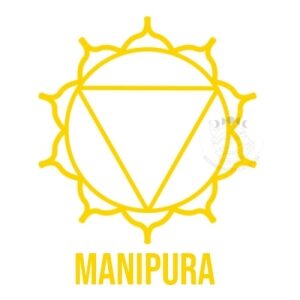
Manipura (Solar Plexus Chakra)
Location: above the navel, below the sternum
Color: yellow
Element: fire
Mantra: Ram
Associated sense: sight
Symbol: ten-petaled lotus
Associated deity: Vishnu
What it represents
Manipura is the center of personal power, will, and self-esteem. It is where the ability to make decisions, set boundaries, and move forward with determination resides.
When balanced, there is mental clarity, confidence, and inner leadership. When imbalanced, it can lead to insecurity, low self-esteem, misuse of power, or a sense of helplessness.
Signs of imbalance
- Frequent digestive issues
- Lack of self-confidence
- Difficulty making decisions
- Tendency toward control or submission
How to activate and harmonize it
- Conscious exposure to sunlight
- Deep breathing focused on the abdomen
- Aromatherapy with citrus scents
- Balanced and nourishing diet
- Meditation visualizing a bright yellow flame
Crystals: citrine, topaz, amber
Essential oils: lemon, grapefruit, rosemary
Associated metal: gold
Affirmations for the solar plexus chakra
- I accept and value myself.
- I have the power to choose my path.
- I trust my ability to achieve my goals.

Anahata (Heart Chakra)
Location: center of the chest
Color: green
Element: air
Mantra: Yam
Associated sense: touch
Symbol: twelve-petaled lotus
Associated deity: Shiva
What it represents
Anahata is the bridge between the lower chakras (more connected to the material) and the higher chakras (more spiritual). It is the center of unconditional love, compassion, and emotional healing.
When balanced, we experience empathy, genuine connection, and harmony in relationships. When blocked, it may manifest as jealousy, resentment, or difficulty forgiving.
Signs of imbalance
- Inability to open up emotionally
- Persistent sadness
- Toxic or dependent relationships
- Lack of empathy
How to activate and harmonize it
- Practice daily gratitude
- Hug and allow affectionate contact
- Spend time in nature
- Listen to uplifting music
- Meditate visualizing a green light expanding in the chest
Crystals: rose quartz, jade, green tourmaline
Essential oils: rose, lily
Associated metal: copper
Affirmations for the heart chakra
- I deserve to love and be loved.
- I forgive and release the past.
- My heart is open and balanced.
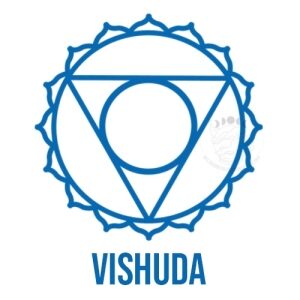
Vishuddha (Throat Chakra)
Location: throat and neck
Color: blue
Element: ether (space)
Mantra: Ham
Associated sense: hearing
Symbol: sixteen-petaled lotus
Associated deity: Sada Shiva
What it represents
Vishuddha is the center of conscious communication and inner truth. It’s not just about speaking, but about expressing what we truly feel and think with coherence, respect, and authenticity.
When this chakra is balanced, words flow clearly, listening becomes deeper, and communication turns into a powerful tool for creation. When blocked, fear of judgment may arise, along with difficulty setting boundaries or a tendency to suppress what truly matters.
Signs of imbalance
- Fear of speaking one’s truth
- Feeling unheard or misunderstood
- Frequent throat issues
- Creative blocks in writing or speaking
How to activate and harmonize it
- Sing or chant mantras
- Write freely without censorship
- Practice honest conversations
- Develop active listening
- Meditate visualizing a bright blue light in the throat
Crystals: aquamarine, turquoise, chalcedony
Essential oils: chamomile, ylang-ylang
Associated metal: mercury
Affirmations for the throat chakra
- I express myself clearly and confidently.
- My voice has value.
- I communicate my truth with respect and love.
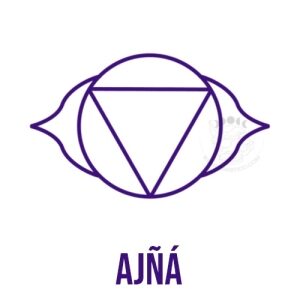
Ajñā (Third Eye Chakra)
Location: center of the forehead, between the eyebrows
Color: indigo
Element: light
Mantra: Ksham
Associated sense: intuition
Symbol: two-petaled lotus
Associated deity: Shambhu
What it represents
Ajna is the center of inner perception, spiritual vision, and mental clarity. It is where intuition and reason come together. This chakra allows us to see beyond the obvious and connect with inner wisdom.
When balanced, there is clarity of thought, strong analytical ability, and refined intuition. When blocked, it may lead to confusion, lack of direction, or inner disconnection.
Signs of imbalance
- Constant confusion
- Difficulty concentrating
- Distrust in one’s intuition
- Mental anxiety
How to activate and harmonize it
- Daily meditation focused on the breath
- Visualize indigo light at the brow center
- Practice mindfulness to calm the mind
- Listen to and record inner signals
- Reduce digital overstimulation
Crystals: lapis lazuli, sapphire, sodalite
Essential oils: camphor
Associated metal: silver
Affirmations for the third eye chakra
- I trust my intuition.
- I see my path clearly.
- My mind is focused and balanced.

Sahasrara (Crown Chakra)
Location: top of the head
Color: violet or white
Element: space
Mantra: Om
Associated sense: pure consciousness
Symbol: thousand-petaled lotus
Associated deity: Parama Shiva
What it represents
Sahasrara is the chakra of spiritual connection and transcendence. It represents unity with higher consciousness, a sense of purpose, and the expansion of being beyond individuality.
When harmonized, it brings deep peace, presence, and spiritual understanding. When blocked, it may manifest as emptiness, inner disconnection, or lack of meaning.
Signs of imbalance
- Feeling spiritually disconnected
- Lack of purpose
- Persistent sadness without clear cause
- Difficulty living in the present
How to activate and harmonize it
- Regular silent meditation
- Contemplative practices
- Conscious gratitude work
- Aromatherapy with lavender or incense
- Integration and balance of all lower chakras
Crystals: amethyst, clear quartz, alexandrite
Essential oils: lavender, lotus flower
Associated metal: platinum
Affirmations for the crown chakra
- I trust the process of life.
- I am connected to my higher essence.
- I live in the present with awareness and serenity.
How to work with the 7 chakras as a whole
Although each chakra can be worked on individually, true balance arises when the entire energetic system is in harmony. It’s not about intensely “activating” every center, but about allowing energy to flow naturally.
Some integrative practices include:
- Guided meditation focused on the upward journey through the chakras
- Yoga with specific postures for each energy center
- Energy therapies such as reiki or crystal healing
- Conscious work on unresolved emotions
- Nutrition and habits aligned with physical well-being
Energetic balance is not a permanent state, but a dynamic process. There will be moments when one chakra needs more attention than another—and that is a natural part of personal growth.

✦ PERSONAL GROWTH ✦
✦ LATEST ARTICLES ✦


✦ ADVERTISING ✦