
How to start meditating
- by Carola D'Angelo | RumboMistico
- Published on
Meditation: the ultimate beginner’s guide
Meditation is an ancient practice that has stood the test of time. Today, it has become an invaluable tool for managing stress, improving focus, and supporting emotional well-being. For those who are just beginning, it may feel intimidating or even confusing at first. However, with the right guidance and consistent practice, anyone can learn to meditate and enjoy its many benefits.
You may be interested in reading: Types of Meditations

What is meditation?
At its core, meditation is a form of mental training that involves focusing your attention on the present moment, cultivating mindfulness, and developing an attitude of acceptance and compassion toward yourself and others. Through regular practice, you learn to observe your thoughts and emotions without judgment. As a result, you can gradually release stress, anxiety, and unnecessary suffering.
Benefits of meditation
Before diving into the practice, it’s helpful to understand the many benefits meditation can offer. Not only does it support your mind, but it also positively impacts your body and emotional state.
Reduced stress and anxiety:
Meditation helps lower cortisol levels, the hormone associated with stress. Consequently, it promotes relaxation and a sense of inner calm. Over time, this allows you to manage daily pressures more effectively and improve your overall well-being.
Improved focus and concentration:
With regular practice, your ability to concentrate becomes stronger. In turn, you can approach daily tasks with greater clarity, efficiency, and mental sharpness.
Emotional well-being:
Meditation encourages self-awareness and self-compassion. Because of this, you become better equipped to process your emotions in a healthy way and develop a more positive outlook on life.
Better sleep quality:
Many people notice an improvement in their sleep after incorporating meditation into their routine. By calming the mind and relaxing the body, it becomes easier to fall asleep and enjoy deeper, more restorative rest.
Greater resilience:
Meditation strengthens your ability to cope with life’s challenges. Even during difficult times, it helps you recover more quickly and maintain a balanced, positive perspective.
How to start meditating: a simple beginner’s guide
1. Find a quiet space
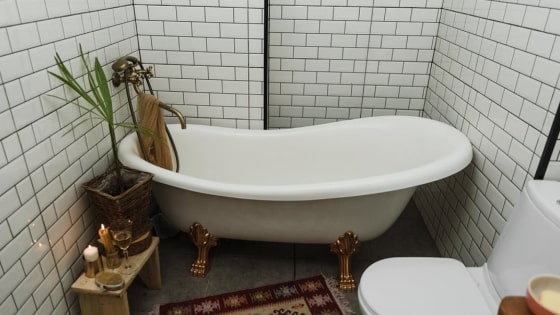
First, choose a peaceful place in your home or in nature where you can sit comfortably without interruptions. You might also create a dedicated space for your practice, decorating it with items that inspire calmness and serenity.
2. Set a regular schedule
Next, pick a time of day that works best for you. For example, you could meditate in the morning, during a break, or before going to bed. What truly matters is consistency, so try to practice at the same time each day.
3. Adopt a comfortable posture
Sit in a position that feels natural and relaxed. You can sit cross-legged on the floor or on a chair with your feet flat on the ground. Keep your hands resting on your lap or knees, your shoulders relaxed, and your spine straight. Alternatively, if needed, you may lie down in a comfortable position.
4. Focus on your breath
Gently close your eyes and bring your attention to your breathing. Take a deep breath in through your nose, feeling your lungs expand. Then, slowly exhale through your mouth, releasing tension. Rather than forcing your breath, simply observe its natural rhythm.
5. Observe your thoughts
As you focus on your breath, thoughts will naturally arise. Instead of trying to stop them, notice them as if they were clouds passing through the sky. Then, calmly return your attention to your breathing.
6. Be kind to yourself
Meditation is not about emptying your mind or achieving perfect stillness. In fact, it’s completely normal for your mind to wander, especially at the beginning. Therefore, treat yourself with patience and compassion as you learn.
7. Start with short sessions
In the beginning, keep your sessions brief, around five to ten minutes. As you grow more comfortable with the practice, you can gradually increase the duration. Ultimately, consistency matters far more than how long you meditate.
8. Use supportive resources
If meditating on your own feels challenging, consider using helpful resources. For instance, guided meditation apps, online videos, or local classes can provide structure and encouragement. Additionally, exploring different meditation styles will help you discover what resonates most with you.
9. Stay consistent
Meditation is a skill that develops over time. For that reason, don’t get discouraged if you don’t notice immediate results. Instead, keep practicing with patience and dedication. Little by little, you will begin to experience a calmer and more aware state of mind.
10. Cultivate gratitude and compassion
Developing gratitude and compassion is a fundamental part of meditation. This attitude should be directed both toward yourself and others. At the end of each session, take a moment to reflect on the aspects of your life you feel grateful for. At the same time, send thoughts of love and kindness to yourself and to those around you.
Over time, this simple habit can transform the way you perceive the world. As your perspective shifts, your heart opens to the beauty and abundance present in your life. To deepen this practice, you may want to keep a gratitude journal where you write down positive experiences each day. This small ritual can gently guide you toward a more optimistic and fulfilling outlook.
By following these simple steps and committing to regular practice, you begin a journey toward a more balanced, peaceful, and meaningful life. Meditation is a gift you give yourself—an oasis of calm in the middle of a busy world. There’s no need to wait any longer to begin.

✦ PERSONAL GROWTH ✦

✦ LATEST ARTICLES ✦








✦ ADVERTISING ✦